 VapeWholesaleHub
21700 Battery Trade Show Buying Tactics — Wholesale Clubs
Most first time importers of 21700 battery ask the same five questions. This page answers them in the order they usually arrive, with the numbers we quote internally rather than round marketing claims.
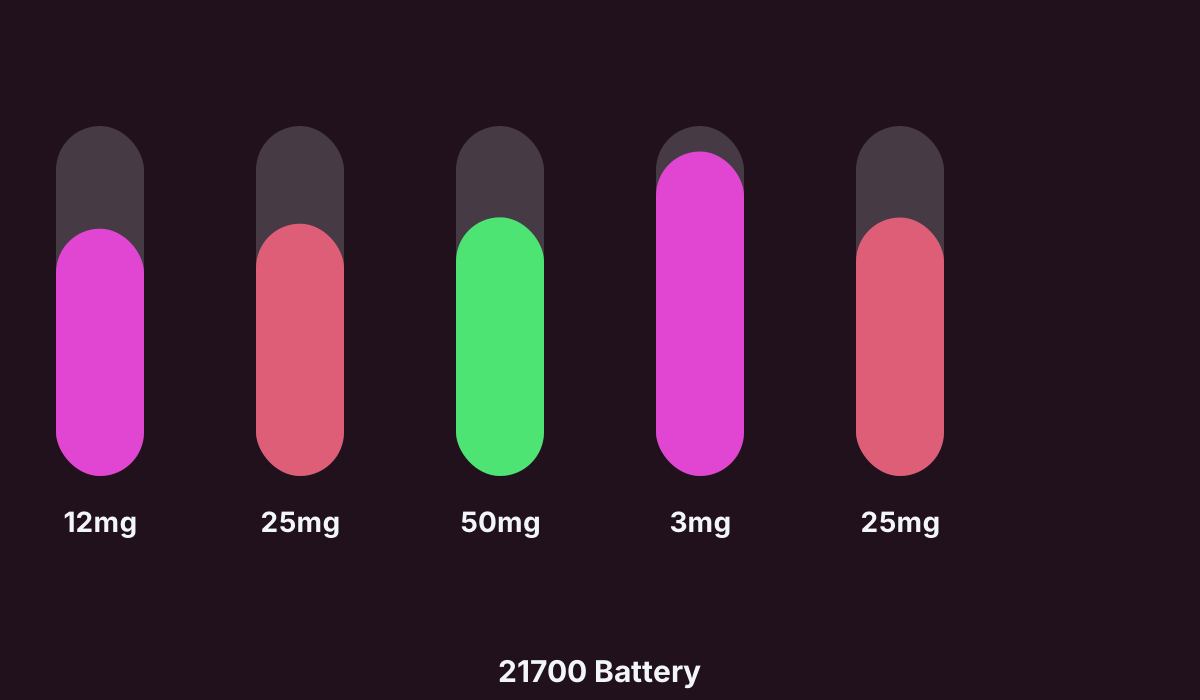
Selling 21700 Battery at Store Level
On shelf, 21700 battery sells on clarity. A plain shelf talker that states strength and flavour in two words outperforms a beautifully designed but vague display, because most purchase decisions here take under ten seconds.
What 21700 Battery Really Costs Landed
Build 21700 battery price tiers around order sizes your customers actually place. Tiers that only make sense on a spreadsheet get ignored, and you end up discounting ad hoc instead.
Discounting 21700 battery to win shelf space tends to reset customer expectations permanently. Volume support in kind, such as display material, usually costs less in the long run.
Indicative reference points for planning purposes: entry tier from USD 1.81 per unit at 1000 units, mid tier at USD 0.78, and volume tier at USD 1.17 for full container quantities. These figures move with specification, packaging and freight, so treat them as a shape rather than a quote.
Inspection Before Dispatch
Set the 21700 battery complaint threshold in the contract before you need it. Deciding what counts as an acceptable defect rate during a dispute is the worst possible time to negotiate it.
- Keep sealed retained samples from every production batch.
- Rotate stock by batch code rather than by delivery date.
- Model landed cost, not ex-works price, when comparing quotes.
- Plan the switch from air to sea freight before you need it.
- Start with a mixed carton and let your own sell-through decide.
What to Fix Before Approving 21700 Battery
Revisit the 21700 battery specification after every third order. Small improvements compound, and factories take a buyer more seriously when the document has clearly been used.
When we write a 21700 battery specification with a distributor, we fix four things first: the resistance band, the liquid capacity tolerance, the puff count methodology and the packaging master carton. Everything else can flex without changing the customer experience.
| Product category | Disposable |
|---|---|
| Resistance band | 0.6 - 0.8 ohm |
| Capacity tolerance | +/- 3% |
| Puff count method | Machine cycle 2s on / 18s off |
| Master carton | 240 units |
| Carton weight | 11.8 kg |
| Shelf life | 18 months |
| Storage | 15-25 C, dry, away from direct light |
Where Demand Is Heading
Traceability is moving from a nice-to-have to a requirement in several 21700 battery markets. Building the habit now is cheaper than retrofitting record keeping under pressure later.
Logistics That Protect Margin
Consolidating 21700 battery with other lines is often the biggest single saving available to a mid size importer. The unit cost does not change but the landed cost does, sometimes materially.
Track 21700 battery landed cost per unit as a running number, including duty and local delivery. It is the only figure that tells you whether a supplier change actually improved anything.
Practical Checklist
- Keep sealed retained samples from every production batch.
- Plan the switch from air to sea freight before you need it.
- Rotate stock by batch code rather than by delivery date.
- Agree the tolerance band in writing before approving artwork.
- Model landed cost, not ex-works price, when comparing quotes.
- Check carton dimensions against your freight quote before confirming.
Frequently Asked Questions
Is there a warranty on 21700 battery?
Manufacturing defects are covered against the retained sample standard. Normal wear, misuse and damage after opening are not. We publish the threshold in the order terms so both sides know exactly what the claim process looks like.
What information do you need to quote?
Target specification, approximate quantity, destination and any packaging requirement. With those four we can usually come back with a costed option the same working day rather than a request for more information.
What happens if my market changes its rules?
Regulations move, and packaging or documentation sometimes has to follow. We keep approved artwork files on hand so that a required change is a reprint rather than a redesign, which keeps the cost and delay down.
Can I mix strengths in one order?
In most cases yes, as long as each strength meets the minimum run length. Mixed strength cartons are popular with retailers building their first display because they show the full ladder without over committing.
Do you provide compliance documents?
Every shipment leaves with the documentation set relevant to your market, including batch records and test reports where required. Your local rules still determine what you must file, so confirm those with your broker before import.
Next Step
Questions that are not answered here are usually the interesting ones. Reach out with the specifics of your market and we will answer with numbers rather than adjectives.
Related Reading
- 21700 Battery Warranty Claims Workflow — Highly Regulated Markets
- 21700 Battery Warranty Claims Workflow — Repeat Orders
- 21700 Battery Currency and Payment Risk Basics — Before Your Next Order
- 21700 Battery Warranty and After Sales: Setting Expectations — Southeast Asia
- 21700 Battery Review Mining for Product Insight — a Printable Checklist
- 21700 Battery Freight Forwarder Selection Notes — Latin America